Category: Uncategorized

  • Intensive Therapy – The Power of Intensive Therapy for Children with Special Needs

    Intensive Therapy – The Power of Intensive Therapy for Children with Special Needs

    When Jack was just two years old, we began exploring intensive physical therapy programs in hopes of helping him grow stronger and more independent. At the time, I had no idea what “intensive therapy” really meant—or if Jack was even old enough or physically ready for it. But like so many other moments in our journey, it started with research and a conversation.

    I reached out to Jack’s doctor to ask if intensive therapy was available locally here in Madison, Wisconsin. That’s when we first learned about Communication Innovations, also known as CI Therapies. It turned out to be the only place in our area offering this kind of therapy—and, thankfully, they accepted our insurance. Looking back now, I can confidently say it was one of the best decisions we’ve made for Jack’s development and mobility.

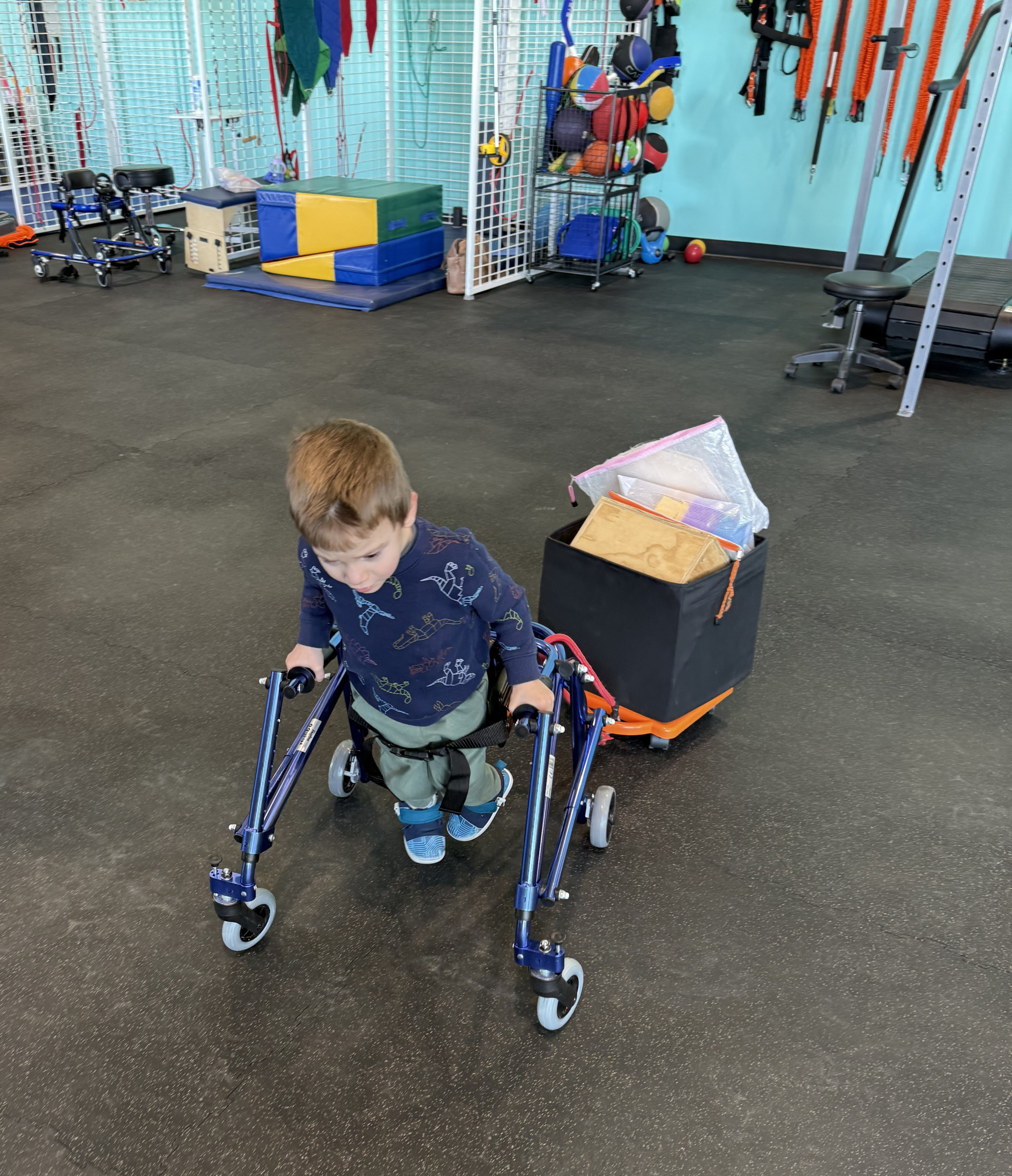
    Intensive therapy programs can vary, but for Jack, it meant four hours a day, five days a week, for four weeks. These sessions can be repeated quarterly, and the consistency has made a huge difference.

    When we first started, Jack was able to crawl, but he couldn’t sit up independently, kneel, or stand without support. The progress he made was almost immediate. Each session was filled with activities tailored specifically to his needs, and we were amazed at how quickly he began to gain strength, balance, and confidence.

    One of the things we love most about CI Therapies is how much Jack thrives when he’s given space. While they always welcome parents to stay or peek in on sessions, they also encouraged us to give Jack the freedom to work without us in the room—and we found that he truly shines when we’re not there watching. It’s been incredible to see what he’s capable of when he’s encouraged to be independent.

    The therapists at CI are phenomenal. They take the time to understand each child’s personality and what motivates them. Jack isn’t just doing exercises—he’s playing, laughing, and connecting with people who truly care about his progress. When they find other children with similar interests, the therapists create games that help both kids work on their goals together. Jack absolutely loves it.

    As a parent, one of the unexpected blessings of this journey has been the community we’ve found. During each intensive, I’ve connected with at least one other parent going through a similar experience. We swap stories, tips, and sometimes just share a knowing look that says, “I get it.” Whether it’s discovering a new type of shoe that works well with leg braces or finding encouragement after a tough day, having that support system has been incredibly meaningful.

    Looking back, it’s hard to believe how far Jack has come since that first session two years ago. His strength, balance, and mobility have improved so much—but what matters most is that he’s happy, confident, and having fun along the way.

    We’re so grateful for the path that brought us to intensive therapy and for the team at CI Therapies who continue to help Jack thrive.

    *This post may contain affiliate links. I will make a small commission if you make a purchase through one of these links, at no extra cost to you. See full disclaimer/privacy policy page here [Disclaimer/Privacy Policy – Navigating Life with Special Needs: A Family Blog].
    *The information in this post is based on personal experiences and should not be taken as medical advice. See full disclaimer/privacy policy page here [Disclaimer/Privacy Policy – Navigating Life with Special Needs: A Family Blog].

  • Support That Fits: Exploring Therapy Options for Your Special Needs Child

    Support That Fits: Exploring Therapy Options for Your Special Needs Child

    Starting Our Therapy Journey: What I Wish I Knew

    Before diving into the world of therapy, the most valuable advice I can offer to any parent starting this journey is simple: make sure you genuinely like the therapists you’re working with. A therapist can be a great therapist without being great for your child.

    Therapists quickly become a huge part of your child’s life. Building a strong connection and mutual trust is essential. I’ve felt immediate, positive connections with the therapists we have today — and those relationships have been the most beneficial for our son, Jack. While we’ve been fortunate to work with many great professionals, it’s easy to see which ones really get Jack and bring out the best in him. Having the right team around your child can make a world of difference.


    Physical Therapy: Starting Early, Finding Our Fit

    Jack’s diagnosis of Periventricular Leukomalacia (PVL) prompted us to begin therapy early. This condition is known to increase the risk of Cerebral Palsy, and we were committed to getting ahead of any potential challenges. Jack began physical therapy at just 4.5 months old (1.5 months adjusted age).

    We started with in-clinic therapy, but around the time Jack turned 2, we transitioned to CI Therapies. The clinic setting had started to become difficult — Jack wasn’t responding well with us in the room. At CI, we were able to wait in the lobby or even drop him off, which proved to be a game-changer. Without us in the room, he was more engaged and willing to participate. Today, he’s more comfortable whether we stay or leave, but he still gets excited when we step out — he knows therapy means fun and progress.

    Currently, Jack participates in multiple intensive therapy sessions throughout the year. These have been incredibly effective, and we see meaningful progress with every session. In early 2025, we made the decision to discontinue weekly PT due to a combination of factors: slower progress, limited insurance coverage, and the logistics of traveling to appointments. It’s a choice we’re grateful for. His occupational therapist now incorporates PT exercises from the intensives to continue building his strength.


    Birth to Three: In-Home Support That Made a Difference

    “Birth to 3” is a county-run early intervention program in Wisconsin that supports children who are either born prematurely or have documented developmental delays. We were offered the program when Jack and his twin sister Ellie were discharged from the NICU, but initially declined, wanting to wait and see how things developed for both of them.

    We changed course after Jack’s Cerebral Palsy diagnosis — and it was the right choice for us. Having therapists come into our home was extremely valuable. They worked with what we had on hand and taught us how to integrate therapy into our daily routine. One moment that stands out is when a therapist used a Rubbermaid tote with Christmas lights to help Jack learn to pull himself to a standing position — a practical alternative to the new toys we felt pressured to buy every week during clinic visits.

    Birth to 3 allowed Jack to received physical, occupational, and speech therapy. Each therapist brought something different to the table, and both Devin and I learned so much from each of them. Working with a variety of professionals gave us new tools and perspectives, and ultimately, better ways to support Jack.


    Occupational Therapy: More Than We Expected

    Until Jack turned 3, both Devin and I worked full-time. Juggling therapy appointments, work, and parenting became overwhelming. We eventually decided that it was best for me to step back to stay home with Jack and his sisters.

    If I could go back, I would have started occupational therapy (OT) earlier. Initially, I assumed OT focused solely on fine motor skills like feeding or using hands — and since Jack was doing okay in those areas, we didn’t prioritize it. But OT is so much more than that. It often feels like they cover “a little bit of everything.”

    We added OT to Jack’s schedule to help him maintain the progress he makes during intensives and fine-tune skills he already has. For example, Jack feeds himself, uses utensils, and drinks from a cup — but he’s still not quite as steady as Ellie. OT is helping him build strength and coordination in a way that supports those everyday skills.


    Speech Therapy: Finding Jack’s Voice

    Jack began speech therapy shortly after his second birthday. We were a bit surprised he was delayed, especially because as a baby, he’d imitate sounds and seemed to enjoy vocalizing. Having twins made the delay more obvious — as Ellie’s vocabulary grew, Jack’s progress didn’t match.

    At the time we started therapy, his vocabulary was limited to just a few words: “mama,” “no,” and “more.” Thankfully, Jack was a master of gestures and non-verbal communication, which understanding his needs possible for us and his caregivers.

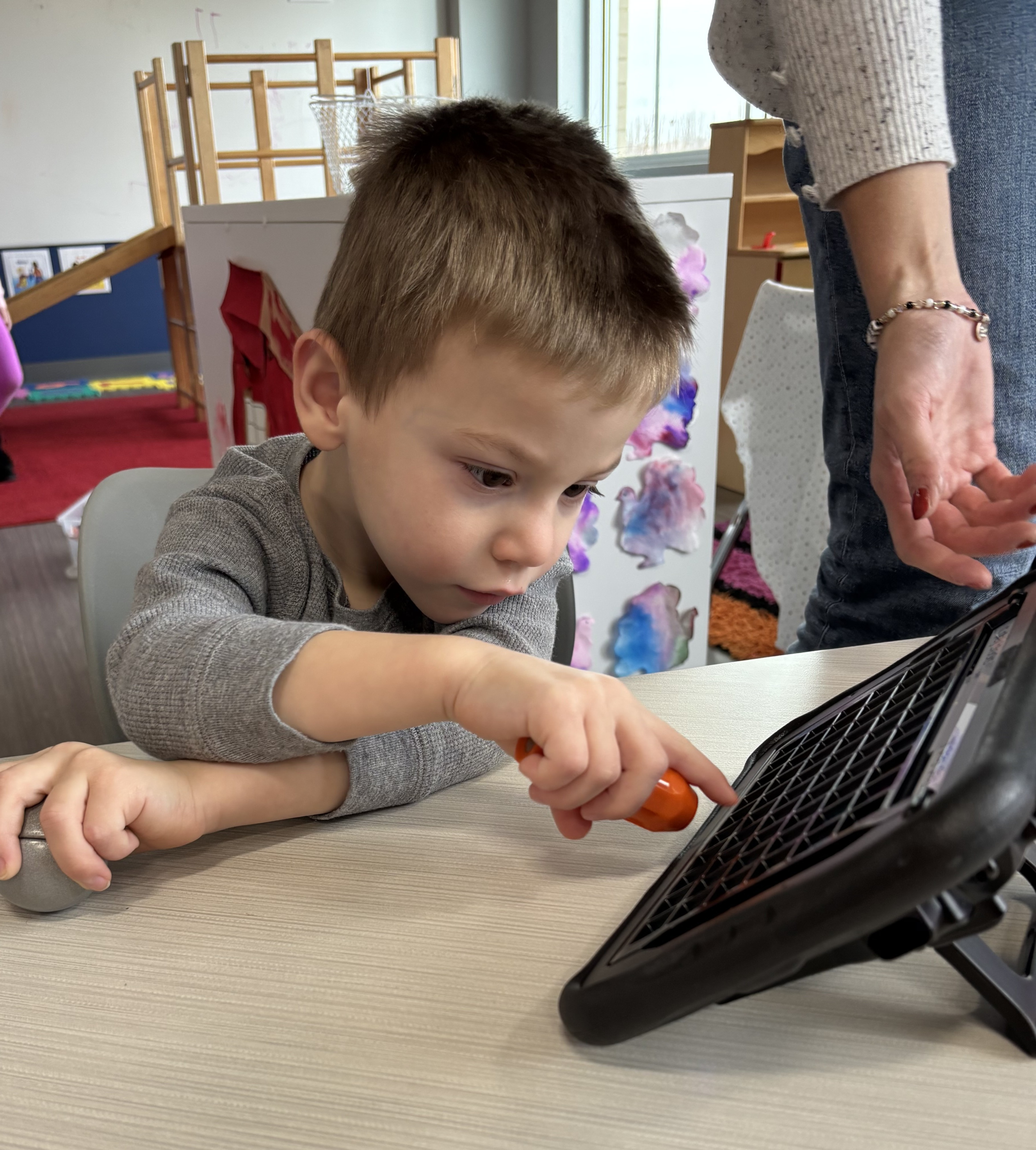
    Since beginning speech therapy, Jack has made significant improvement. His therapists introduced us to a range of communication tools — including signs, choice boards, and an Augmentative and Alternative Communication (AAC) device he received at age 3. Learning to use the device has been a journey for all of us, but our speech therapist has been a wonderful guide and source of encouragement throughout the process.


    Final Thoughts: Building a Team, Finding Your Way

    Therapy is not a one-size-fits-all experience. What works for one child might not work for another — and that’s okay. What’s most important is surrounding your child with a team that believes in them, challenges them, and supports your family’s goals.

    We’ve learned to trust our gut, ask questions, and embrace changes when something no longer feels right. And most of all, we’ve learned how resilient Jack is — and how powerful it is to have people in your corner who see that, too.

    *This post may contain affiliate links. I will make a small commission if you make a purchase through one of these links, at no extra cost to you. See full disclaimer/privacy policy page here [Disclaimer/Privacy Policy – Navigating Life with Special Needs: A Family Blog].

    *The information in this post is based on personal experiences and should not be taken as medical advice. See full disclaimer/privacy policy page here [Disclaimer/Privacy Policy – Navigating Life with Special Needs: A Family Blog].

  • One Pregnancy, Two Babies, and a Life-Changing Diagnosis

    One Pregnancy, Two Babies, and a Life-Changing Diagnosis

    During our first 9 week routine ultrasound, Devin and I were brimming with anticipation. We were hoping to hear our first baby’s heartbeat for the first time. We were not expecting two little heartbeats! To be honest the news was a little overwhelming at first, we had never done this before. How would we manage two babies?! We hadn’t even shared our pregnancy news yet.

    Once we were able to fully process the exciting revelation, we found strength in each other and our amazing support systems. We had enough love to go around and we couldn’t wait to welcome our two bundles of joy, due on November 1st, 2021. I had a healthy pregnancy up until late July. At the time I started having premature contractions, after a visit to the hospital we were reassured everything was okay. However, Jack and Ellie had their own plans and they arrived on August 1st, 2021 at 26 weeks and 6 days. 

    Their NICU journey lasted 11 weeks, and we welcomed them home (they were finally discharged) at what would have been 38 weeks gestation. Ellie required oxygen at home and overcame a number of challenges early on. Today she’s a strong, thriving four year old.

    Jack’s path has been more complex. At just two weeks old, we were told he had a brain bleed. The doctors gently explained we’d “have to wait and see” how it might affect him long term. On the day of his discharge, we were given a more definitive diagnosis: Periventricular Leukomalacia (PVL), a type of white matter brain damage often linked to prematurity. From that moment, we understood that a diagnosis of Cerebral Palsy (CP) was likely—and it was confirmed when Jack turned one.

    The past three years have been a turbulent emotional experience. Devin and I were not prepared for what we faced: pivotal decisions, sleepless nights, and unimaginable fears. Through this experience, our family has had more laughter, pride, and resilience than we thought possible.

    Cerebral Palsy is not a progressive condition—it doesn’t get worse over time unless compounded by other medical issues—but it does come with a wide range of challenges and co-existing conditions. We’ve come to focus on what Jack can do and celebrate each milestone, no matter how small.

    At four years old, Jack can crawl, stand, and walk using a walker. He hasn’t yet walked independently, but he works hard every single day. He’s non-verbal, but is incredibly expressive and is learning to use an Augmentative and Alternative Communication (AAC) device. Even without words, he lets us know exactly what he needs most of the time.

    Jack currently attends occupational therapy twice a week and speech therapy once a week. We also participate in intensive therapy programs throughout the year, which have made a big difference in his progress—I’ll be sharing more about those in an upcoming post!

    This journey has taught me to find gratitude in the smallest of wins. It has also connected me with other parents walking similar paths, and my intention by sharing our story, others will feel a little more seen and a little less alone.

    *This post may contain affiliate links. I will make a small commission if you make a purchase through one of these links, at no extra cost to you. See full disclaimer/privacy policy page here [Disclaimer/Privacy Policy – Navigating Life with Special Needs: A Family Blog].

    *The information in this post is based on personal experiences and should not be taken as medical advice. See full disclaimer/privacy policy page here [Disclaimer/Privacy Policy – Navigating Life with Special Needs: A Family Blog].