Starting Our Therapy Journey: What I Wish I Knew
Before diving into the world of therapy, the most valuable advice I can offer to any parent starting this journey is simple: make sure you genuinely like the therapists you’re working with. A therapist can be a great therapist without being great for your child.
Therapists quickly become a huge part of your child’s life. Building a strong connection and mutual trust is essential. I’ve felt immediate, positive connections with the therapists we have today — and those relationships have been the most beneficial for our son, Jack. While we’ve been fortunate to work with many great professionals, it’s easy to see which ones really get Jack and bring out the best in him. Having the right team around your child can make a world of difference.
Physical Therapy: Starting Early, Finding Our Fit
Jack’s diagnosis of Periventricular Leukomalacia (PVL) prompted us to begin therapy early. This condition is known to increase the risk of Cerebral Palsy, and we were committed to getting ahead of any potential challenges. Jack began physical therapy at just 4.5 months old (1.5 months adjusted age).
We started with in-clinic therapy, but around the time Jack turned 2, we transitioned to CI Therapies. The clinic setting had started to become difficult — Jack wasn’t responding well with us in the room. At CI, we were able to wait in the lobby or even drop him off, which proved to be a game-changer. Without us in the room, he was more engaged and willing to participate. Today, he’s more comfortable whether we stay or leave, but he still gets excited when we step out — he knows therapy means fun and progress.
Currently, Jack participates in multiple intensive therapy sessions throughout the year. These have been incredibly effective, and we see meaningful progress with every session. In early 2025, we made the decision to discontinue weekly PT due to a combination of factors: slower progress, limited insurance coverage, and the logistics of traveling to appointments. It’s a choice we’re grateful for. His occupational therapist now incorporates PT exercises from the intensives to continue building his strength.

Birth to Three: In-Home Support That Made a Difference
“Birth to 3” is a county-run early intervention program in Wisconsin that supports children who are either born prematurely or have documented developmental delays. We were offered the program when Jack and his twin sister Ellie were discharged from the NICU, but initially declined, wanting to wait and see how things developed for both of them.
We changed course after Jack’s Cerebral Palsy diagnosis — and it was the right choice for us. Having therapists come into our home was extremely valuable. They worked with what we had on hand and taught us how to integrate therapy into our daily routine. One moment that stands out is when a therapist used a Rubbermaid tote with Christmas lights to help Jack learn to pull himself to a standing position — a practical alternative to the new toys we felt pressured to buy every week during clinic visits.
Birth to 3 allowed Jack to received physical, occupational, and speech therapy. Each therapist brought something different to the table, and both Devin and I learned so much from each of them. Working with a variety of professionals gave us new tools and perspectives, and ultimately, better ways to support Jack.
Occupational Therapy: More Than We Expected
Until Jack turned 3, both Devin and I worked full-time. Juggling therapy appointments, work, and parenting became overwhelming. We eventually decided that it was best for me to step back to stay home with Jack and his sisters.
If I could go back, I would have started occupational therapy (OT) earlier. Initially, I assumed OT focused solely on fine motor skills like feeding or using hands — and since Jack was doing okay in those areas, we didn’t prioritize it. But OT is so much more than that. It often feels like they cover “a little bit of everything.”
We added OT to Jack’s schedule to help him maintain the progress he makes during intensives and fine-tune skills he already has. For example, Jack feeds himself, uses utensils, and drinks from a cup — but he’s still not quite as steady as Ellie. OT is helping him build strength and coordination in a way that supports those everyday skills.
Speech Therapy: Finding Jack’s Voice
Jack began speech therapy shortly after his second birthday. We were a bit surprised he was delayed, especially because as a baby, he’d imitate sounds and seemed to enjoy vocalizing. Having twins made the delay more obvious — as Ellie’s vocabulary grew, Jack’s progress didn’t match.
At the time we started therapy, his vocabulary was limited to just a few words: “mama,” “no,” and “more.” Thankfully, Jack was a master of gestures and non-verbal communication, which understanding his needs possible for us and his caregivers.
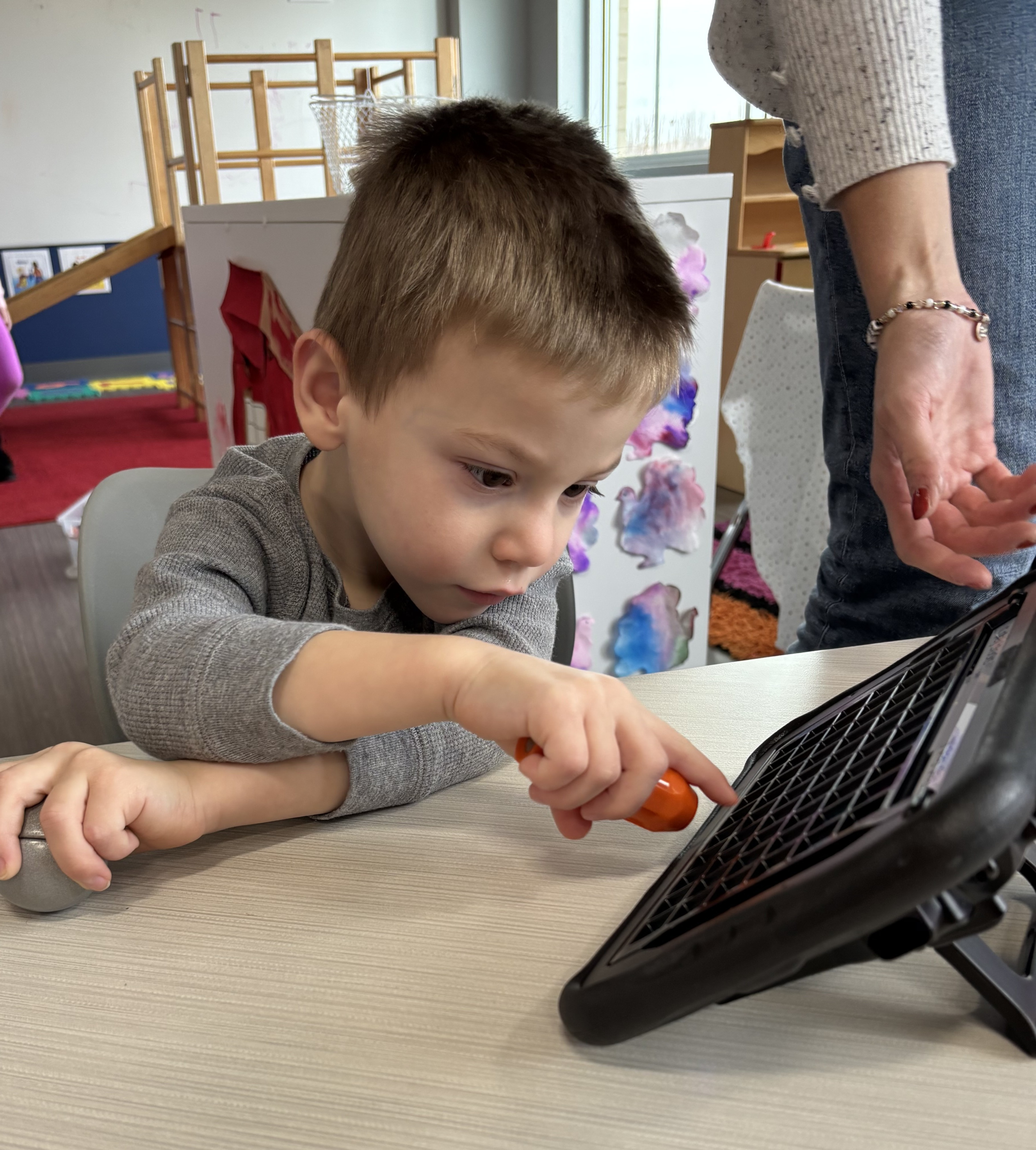
Since beginning speech therapy, Jack has made significant improvement. His therapists introduced us to a range of communication tools — including signs, choice boards, and an Augmentative and Alternative Communication (AAC) device he received at age 3. Learning to use the device has been a journey for all of us, but our speech therapist has been a wonderful guide and source of encouragement throughout the process.

Final Thoughts: Building a Team, Finding Your Way
Therapy is not a one-size-fits-all experience. What works for one child might not work for another — and that’s okay. What’s most important is surrounding your child with a team that believes in them, challenges them, and supports your family’s goals.
We’ve learned to trust our gut, ask questions, and embrace changes when something no longer feels right. And most of all, we’ve learned how resilient Jack is — and how powerful it is to have people in your corner who see that, too.
*This post may contain affiliate links. I will make a small commission if you make a purchase through one of these links, at no extra cost to you. See full disclaimer/privacy policy page here [Disclaimer/Privacy Policy – Navigating Life with Special Needs: A Family Blog].
*The information in this post is based on personal experiences and should not be taken as medical advice. See full disclaimer/privacy policy page here [Disclaimer/Privacy Policy – Navigating Life with Special Needs: A Family Blog].